The Small Acts That Come Before the Commitment
I was reading through interview notes from our user research last week when a single line stopped me. A young person had described, in detail, how she'd happily spend three hours on a Saturday helping a friend organise a community event. Then, almost in the same breath, she said she wouldn't fill in a volunteer application form.
The two things didn't contradict each other. They were the same thing. The first version was volunteering. The second version was paperwork.
I've been thinking about that distinction.
The whole world now runs on "try before you commit"
Every decision a young person makes today starts with a low-stakes sample. They swipe before they date. They stream before they subscribe. They drop in before they buy the gym membership. They shadow before they take the job. They watch the free YouTube tutorial before they enrol in the course.
It's how trust gets built in a world with too many options and not enough time to regret them all.
Volunteering is one of the last experiences that still asks the opposite. It asks for commitment before connection. Fill in the form. Wait for the DBS check. Turn up to the induction session. Agree to the rota. Do all of that, and then, maybe, you'll find out whether the thing you signed up for is actually any good.
No other part of a young person's life works like that. It's not surprising when they swipe past.
The onboarding paradox
Here's the uncomfortable thing I keep running into when I talk to charities.
The more careful the recruitment process, the more it filters out the people who would eventually become the best long-term volunteers. Not because careful is wrong. Because the shape of the filter catches the wrong people.
Think about who survives a six-week onboarding pipeline with applications, references, inductions and training. It's people who already know they want to volunteer, already have the time, and already see themselves as "a volunteer." That's a small, self-selecting group. They're valuable. They're also not the people the sector claims it's trying to reach.
The person you actually want is the one who's never filled in a form like that, doesn't yet think of themselves as a volunteer, but would, quietly, help carry the chairs at a community event if someone asked. That person never makes it through the funnel. They see the form and decide the thing isn't for them.
You don't build trust by asking for it upfront. You build it by letting someone help in a small way and finding out what happens next.
I've seen this pattern in product design for twenty years. The services that win aren't the ones with the most rigorous sign-up. They're the ones that let you get something useful done before you've committed to anything.
What small acts actually look like
Here's what I mean when I say "small act." It's not volunteering-lite. It's the real thing, just at a scale that makes sense for where someone is right now.
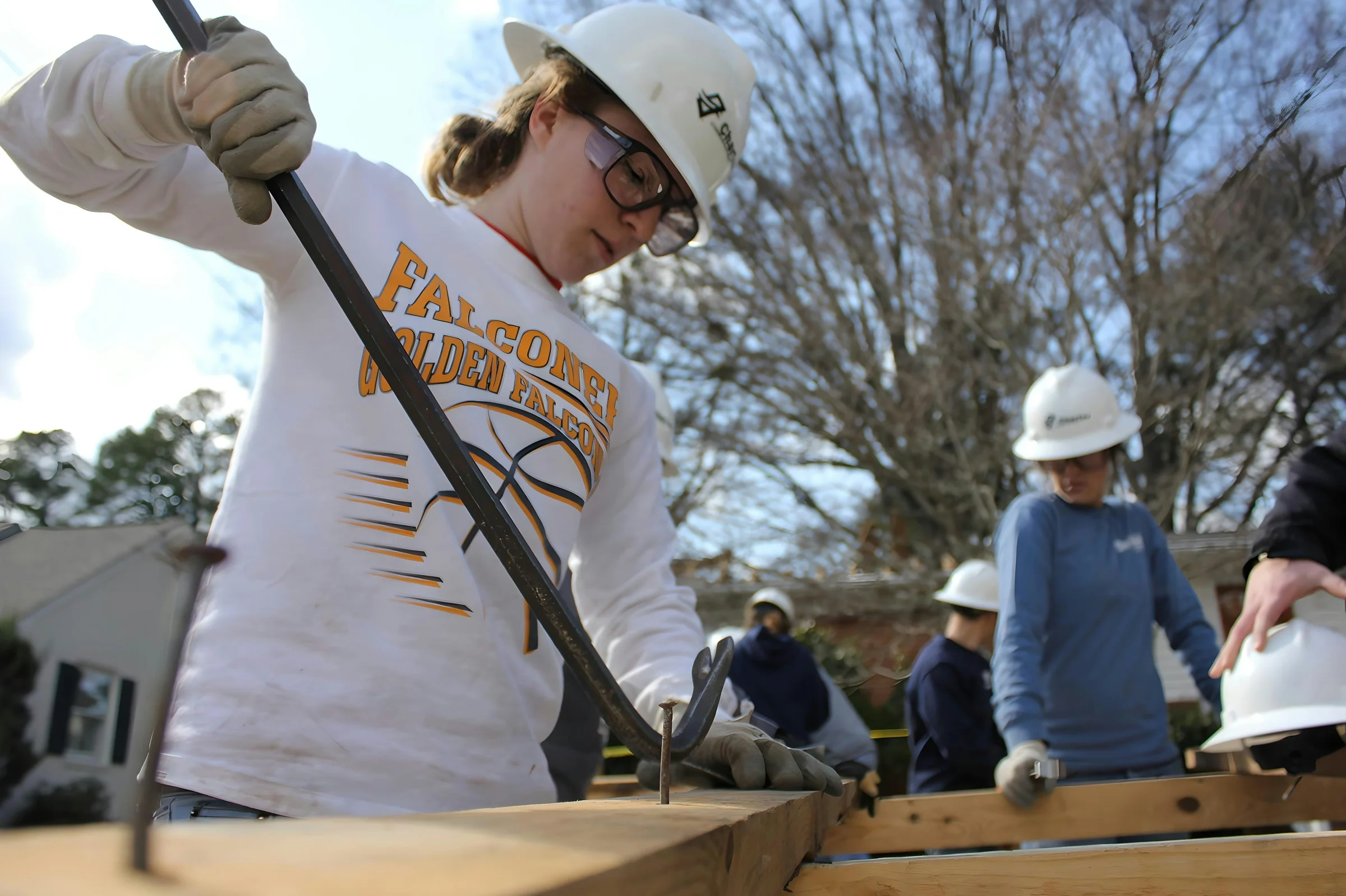
It's turning up to one event without signing up for twelve. It's taking photos at a fundraiser because you're there anyway. It's sharing a post about a cause you care about. It's spending forty minutes helping a neighbour move a sofa. It's picking up litter on the way home from work. It's making a cake for a bake sale. It's showing a new kid round the youth club because you used to be that kid.
None of these require an application form. None of them count in the official volunteering statistics. All of them are the first step in a relationship that could last for years, if anyone in the sector noticed them happening.
The research told us something else too. When a young person does one of these things and it goes well, they don't just do it again. They start describing themselves differently. Not as "someone who volunteers" but as "someone who helps." That's a smaller word and a much bigger identity.
So what do we actually do about it
I don't think the answer is to strip out safeguarding or abandon proper onboarding. Those things exist for good reasons. The answer is to stop putting them at the start.
Let the first step be small. Let it be a drop-in. Let it be a single act with no form attached. Let the person find out whether they like it, whether the people are friendly, whether the cause matters to them in practice and not just in theory. And then, if they come back a second time, and a third, start the conversation about what commitment might look like.
The sector treats volunteering like a marriage proposal. Young people are looking for a first date. The whole thing works better if we let them have one.
A final thought
Most of the people who volunteer for fifteen years started by accident. They helped once, it felt good, they helped again, and at some point they looked up and realised they'd become part of something. Nobody recruited them. Nobody onboarded them. They drifted in through the side door that used to be open in every community organisation.
Our job isn't to recruit more volunteers. It's to give them a reason to show up. Everything after that is just plumbing.
See how I am taking this approach through Impactful @ www.impactfulhub.comCome and talk to me and see how you can better connect to young people.This is why I’m building Impactful, a platform that helps organisations connect with young people who want to volunteer. If your organisation cares about youth volunteering, I’d like to hear from you.